
Top 10 Civil Discourse and Constructive Dialogue Keynote Speakers for Colleges and Universities in 2026
31 Jul 2026

College campuses have always been places where ideas are tested. Today, the ability to engage across difference has become a central priority as students, faculty, staff, and institutional leaders navigate political polarization, cultural tension, and difficult public debates.
Civil discourse does not ask people to set aside deeply held beliefs or avoid disagreement. It gives campus communities the skills to listen carefully, speak honestly, and remain in conversation when the issues are difficult. Constructive dialogue can strengthen trust, support learning, and prepare students to participate in a diverse democracy.
The 10 keynote speakers below approach this work from distinct starting points. Some begin with dignity or reconciliation. Others use storytelling, pluralism, belonging, kindness, or a closer examination of the language we choose. Together, they offer colleges and universities practical ways to move beyond polarization and create conversations grounded in respect and shared humanity.
What Makes a Strong Civil Discourse and Constructive Dialogue Speaker?
The strongest campus dialogue speakers do more than encourage people to be respectful. They give audiences credible frameworks for staying engaged through disagreement, examining assumptions, and building the skills needed to work across difference. Each speaker below offers a distinct approach, making it easier to find a keynote aligned with the conversation your institution needs to have.
Who are the top Civil Discourse Keynote Speakers and Constructive Dialogue Keynote Speakers for Colleges and Universities?
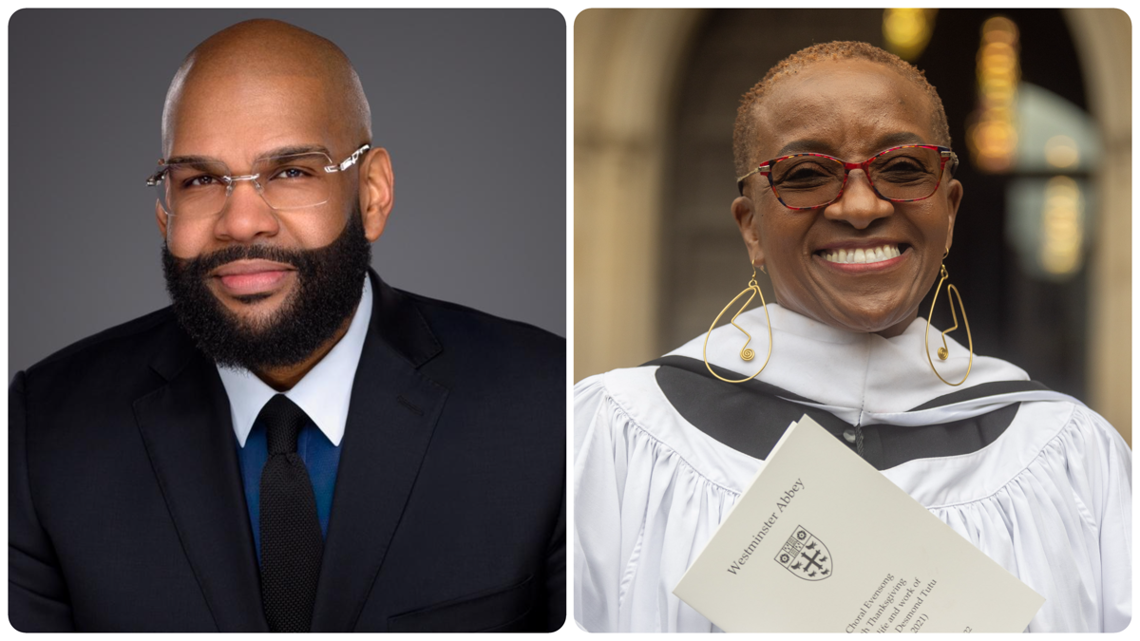
Maurice A. Stinnett: Transformative Leadership, Inclusion & Meaningful Dialogue
Creating better dialogue on campus requires more than a statement of values. It requires leaders who understand how culture, communication, accountability, and trust shape the way people experience an institution. Maurice A. Stinnett brings nearly two decades of leadership across higher education, sports and entertainment, corporate organizations, and nonprofits to conversations about meaningful change.
Before entering global corporate leadership, Maurice served as Dean of Students at Central State University and Vice President of University Engagement and Chief Diversity Officer at Cleveland State University. He later became the inaugural Vice President of Diversity, Inclusion, and Culture for Brooklyn Sports and Entertainment, then the inaugural Global Head of Diversity, Equity, and Inclusion at Warner Music Group. Known for an engaging and highly interactive style, Maurice moves audiences beyond performative dialogue toward practical strategies that strengthen culture and prepare people to lead through complexity. He is a strong choice for colleges seeking a civil discourse keynote speaker who can connect inclusion, leadership, and institutional change.
Rev. Nontombi Naomi Tutu: Reconciliation, Forgiveness & Finding a Way Forward
Reconciliation does not require people to deny harm or forget the past. Rev. Nontombi Naomi Tutu shows audiences how truth, courage, and shared humanity can create a path through division. Her perspective is shaped by growing up Black and female in apartheid South Africa and by a career devoted to human rights, education, and conflict transformation.
An Episcopal priest, educator, and founder of Nozizwe Consulting, Naomi has taught at the University of Hartford, the University of Connecticut, and Brevard College. She has also led Truth and Reconciliation Workshops for groups facing different forms of conflict. Naomi helps campus communities understand how forgiveness can support healing without excusing injustice. Her keynotes invite students, faculty, staff, and institutional leaders to listen across differences, build coalitions, and imagine change as a future they can move toward together.
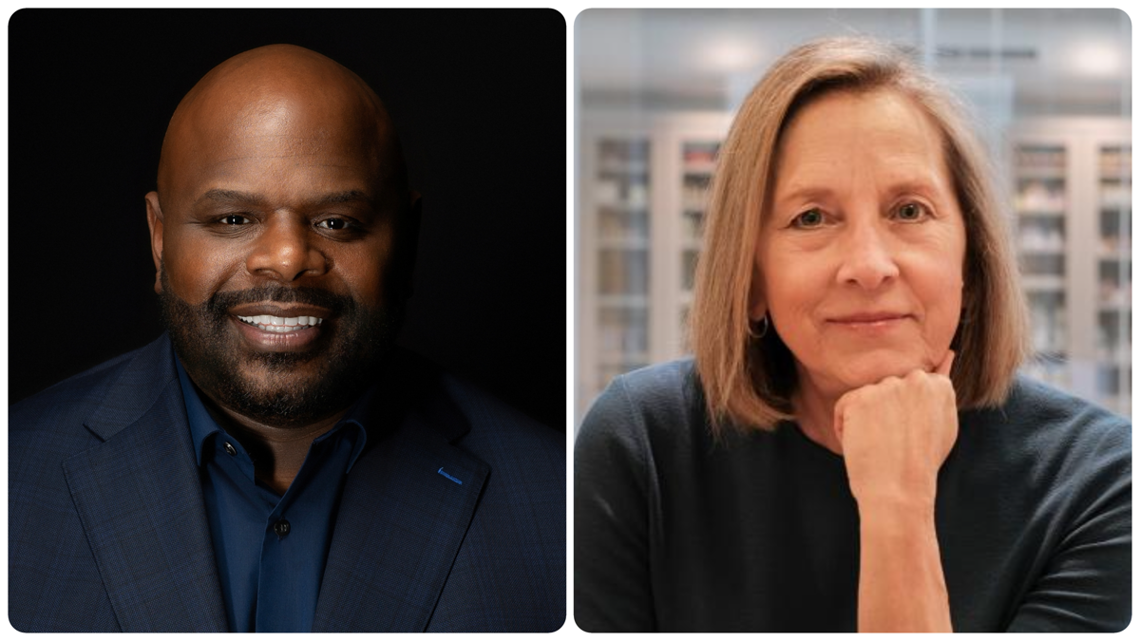
Ben McBride: Radical Belonging & Bridging Differences
Belonging becomes meaningful when it changes who is included in our circle of concern. Rev. Ben McBride asks campus audiences to move beyond the language of belonging and examine the courage, responsibility, and practice it requires. His work combines faith leadership, community organizing, violence prevention, and national bridge-building.
After moving his family into an Oakland neighborhood affected by gun violence, Ben helped relaunch Operation Ceasefire, contributing to a nearly 50 percent reduction in homicides over five years. He later founded the Empower Initiative to expand bridging and belonging work nationwide. A New York Times bestselling author, Ben wrote Troubling the Water: The Urgent Work of Radical Belonging. Through personal stories, history, and practical frameworks, he helps colleges and universities engage across difference without avoiding conflict or indicting those on the other side of it.
Donna Hicks: Dignity as the Foundation for Constructive Dialogue
Dignity is one of the clearest starting points for constructive dialogue. Donna Hicks, Ph.D., has spent more than three decades showing how the need to be seen, heard, and treated as worthy shapes conflict in every kind of relationship. Her Dignity Model gives campus communities a practical framework for addressing disagreement without humiliating, dismissing, or devaluing one another.
An associate at Harvard University’s Weatherhead Center for International Affairs, Donna has worked on conflicts in Israel and Palestine, Sri Lanka, Colombia, Northern Ireland, and U.S.-Cuba relations. She is the award-winning author of Dignity and Leading with Dignity and has applied her model in educational institutions and organizations around the world. For colleges and universities, her keynotes translate complex conflict-resolution principles into everyday practices that strengthen trust and make difficult conversations more productive.
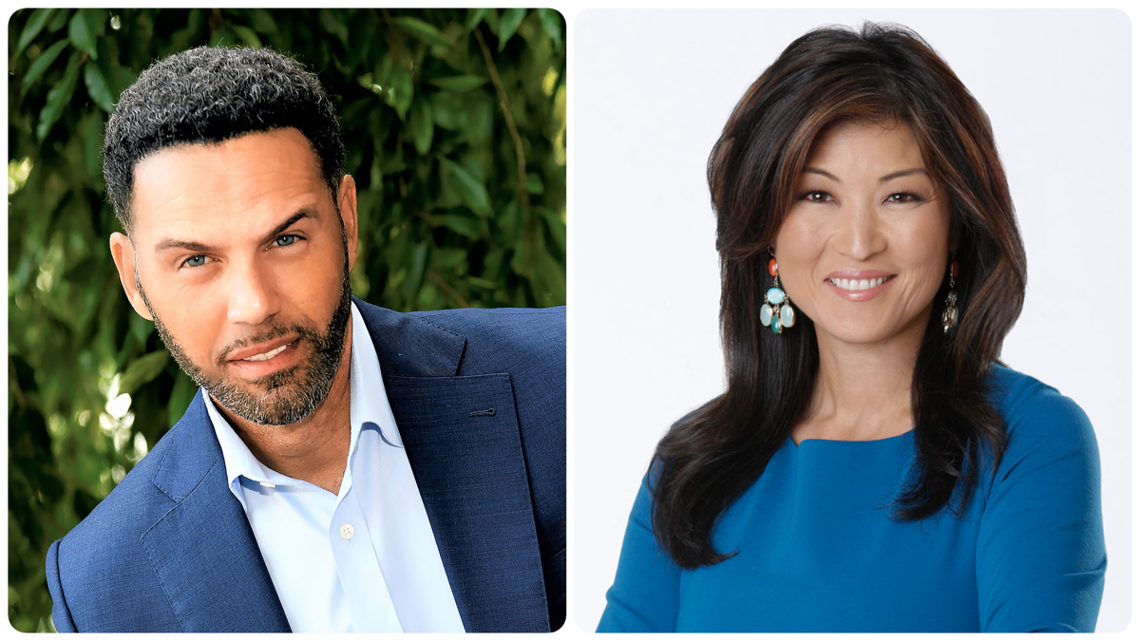
Steve Pemberton: Humanity, Belonging & The Lighthouse Effect
Steve Pemberton brings civil discourse back to a fundamental truth: none of us can be fully understood by a label. His keynotes use deeply personal storytelling to reveal the experiences that connect people across difference. That message is grounded in his own journey through foster care and a career devoted to bringing humanity into workplaces and communities.
Steve is the bestselling author of A Chance in the World and The Lighthouse Effect, which explores how ordinary people can become human lighthouses for others. A former Chief Human Resources Officer at Workhuman and current Managing Director at Seramount, he also brings extensive experience in culture, leadership, and belonging. For campus audiences, Steve offers an inspiring framework for seeing beyond assumptions, building trust, and recognizing the impact each person can have on another life.
Juju Chang: Storytelling, Compassion & Bridging Differences
Storytelling can change a conversation before an argument ever begins. Juju Chang demonstrates how personal narratives can make unfamiliar experiences visible and help audiences find compassion across lines of race, religion, identity, and belief. Her warmth and curiosity have made her one of the most respected human-centered storytellers in broadcast journalism.
A multiple Emmy Award-winning co-anchor of ABC News’ Nightline, Juju also contributes to Good Morning America, 20/20, and Hulu’s Impact X Nightline. Her reporting has covered anti-Asian violence, immigration, LGBTQ+ rights, mental health, and gender-based violence around the world. Drawing from her own experience as a Korean American Jewish woman and mother, she shows college audiences how stories can challenge othering, build solidarity, and make room for more honest dialogue.
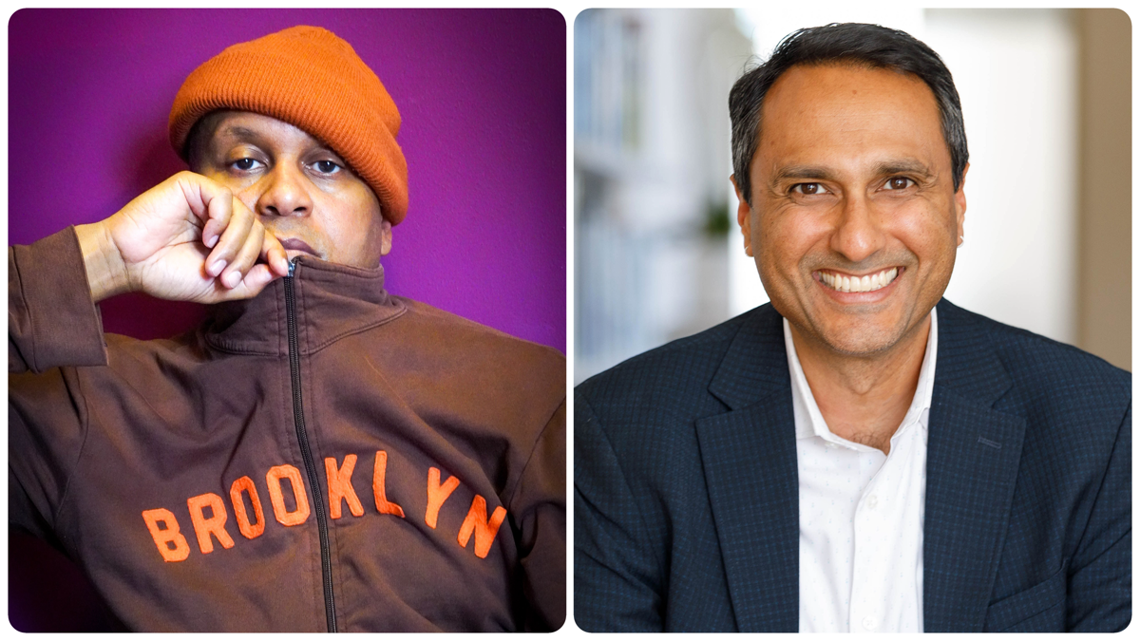
Kevin Powell: Voice, Identity & Conversations Across Difference
Long before civil discourse became a formal campus priority, Kevin Powell was participating in public conversations about race, gender, queerness, and identity. As a cast member on the first season of MTV’s The Real World, he helped bring difficult conversations across difference into American pop culture. He has spent the decades since using words, art, and activism to deepen that work.
A GRAMMY-nominated poet, human and civil rights activist, filmmaker, and bestselling author of 16 books, Kevin has written extensively about culture, justice, manhood, and the America we share. His books include The Education of Kevin Powell, Grocery Shopping with My Mother, and The Kevin Powell Reader. Through keynote storytelling and spoken word, Kevin encourages students to claim their voices, hear the truths of others, and understand how honest expression can create connection rather than deepen division.
Eboo Patel: Pluralism, Curiosity & Cooperation Across Difference
Pluralism offers colleges and universities a way to move beyond tolerance toward active cooperation. Eboo Patel defines pluralism as the work of bringing people with different identities and beliefs together for the common good without asking them to erase their differences. His approach is especially relevant for institutions preparing students to live and lead in a diverse democracy.
Eboo is the founder and president of Interfaith America, the leading interfaith organization in the United States, and served on President Obama’s inaugural Faith Council. A Rhodes Scholar with a doctorate in the sociology of religion from Oxford University, he has written five books, including We Need to Build: Field Notes for Diverse Democracy. In his keynotes, Eboo gives higher education audiences a practical vision for listening with curiosity, disagreeing with respect, and cooperating across deep difference.
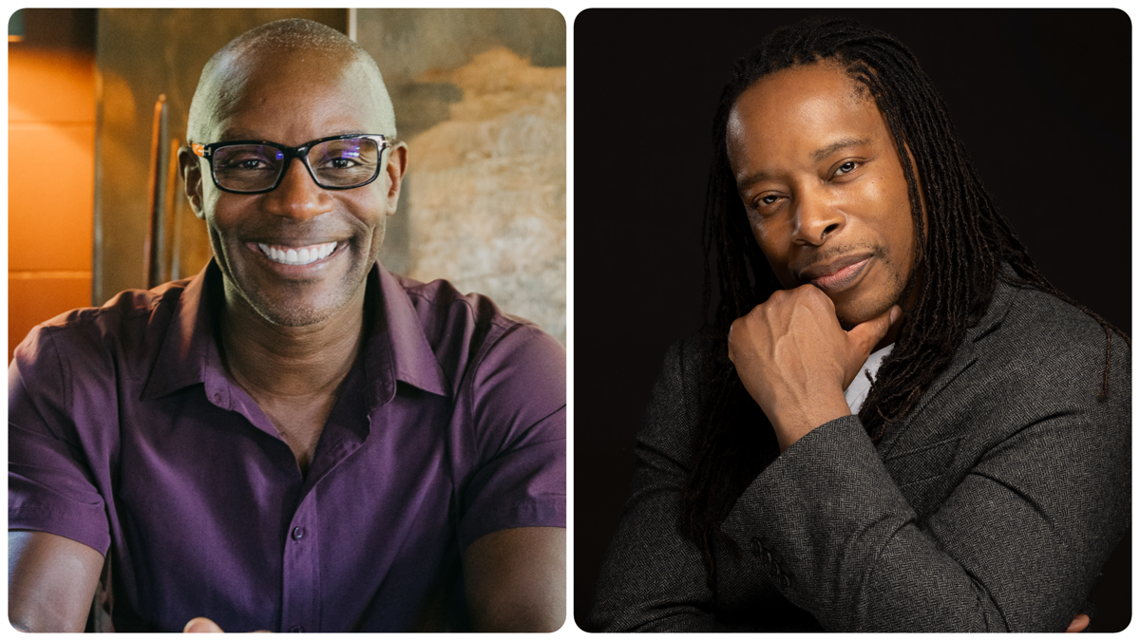
Shola Richards: Courageous Civility, Kindness & Disagreeing Better
Kindness is often treated as a soft skill. Shola Richards argues that real kindness takes courage because it asks people to confront incivility, set boundaries, and speak up when silence would be easier. His work helps campus communities understand how civility and accountability can reinforce one another.
Shola is the CEO and founder of Go Together Global, host of The Kindness Extremist podcast, and author of three bestselling books, including Civil Unity. His experience has taken him from testifying before Congress to speaking on three continents. Through practical strategies for disagreeing without disrespect, he equips students, faculty, staff, and leaders to navigate polarizing conversations while protecting their own well-being and the dignity of others.
Omékongo Dibinga: Language, Dignity & Finding Common Ground
The words people choose can either close a conversation or create a way into it. Dr. Omékongo Dibinga, known worldwide as “the UPstander,” examines how politicized language, assumptions, and trigger words can intensify division. He offers a more constructive path grounded in context, curiosity, and shared dignity.
A professor of intercultural communication at American University, Omékongo is also a trilingual poet, award-winning rapper, four-time TEDx speaker, and global keynote speaker who has worked in nearly 30 countries. His books and presentations combine scholarship, spoken word, humor, and lived experience to help audiences engage difficult topics without abandoning their values or dehumanizing others. For colleges and universities seeking a dynamic constructive dialogue speaker, Omékongo provides actionable tools for finding common ground without demanding uniformity.
How Can Colleges and Universities Choose the Right Civil Discourse Speaker?
The right speaker depends on what the institution needs the conversation to accomplish. Some campuses may need a framework for dignity or pluralism, while others are looking for storytelling, reconciliation, belonging, or practical tools for disagreeing better. The strongest choice is a speaker whose expertise matches the audience, the moment, and the outcome the institution hopes to create.
APB’s Higher Education team partners with colleges and universities to identify civil discourse and constructive dialogue keynote speakers for campus-wide programs, leadership initiatives, lecture series, and other important conversations. We can help you compare approaches and find a speaker who can engage your community with credibility, care, and a clear path forward.
Related Higher Education Resources
Looking for more keynote speaker recommendations for your campus? Explore these additional APB Higher Education collections:
Top 10 Gen Z Changemakers for Colleges and Universities in 2026
Top 10 Hispanic Heritage and Latino Speakers for Colleges and Universities in 2026
Drew Sullivan is a leader in the speaking industry, talent advisor, and strategist with nearly 15 years of experience helping speakers, colleges, universities, and organizations create meaningful connections through ideas. As Senior Vice President at APB Speakers, he works with authors, academics, journalists, entertainers, athletes, and thought leaders to grow their platforms and navigate an ever-evolving industry. Having spent nearly his entire career serving higher education, Drew is passionate about the power of campuses to spark curiosity, challenge assumptions, and change lives. His perspective is shaped not only by his professional experience but also by a personal journey of recovery that continues to influence his approach to leadership, relationships, and service.