
Honoring Native American Heritage Month: History, Culture, Health, and Community
31 Oct 2026

Observed each November, Native American Heritage Month recognizes the histories, cultures, and continuing contributions of Native peoples. It also offers an opportunity to learn from contemporary Indigenous voices whose work spans the arts, education, medicine, advocacy, and community leadership.
For colleges and universities, healthcare organizations, and community groups, meaningful programming can connect historical understanding with questions that matter today. Who tells Indigenous stories? How do culture and language shape identity? What can institutions learn about trust, access, and care from the communities they serve?
These featured speakers bring distinct experiences and areas of expertise to those conversations, helping audiences explore both the enduring strength of Indigenous cultures and the challenges facing Native communities.
Native American Heritage Month Speakers on History, Culture, and Indigenous Health
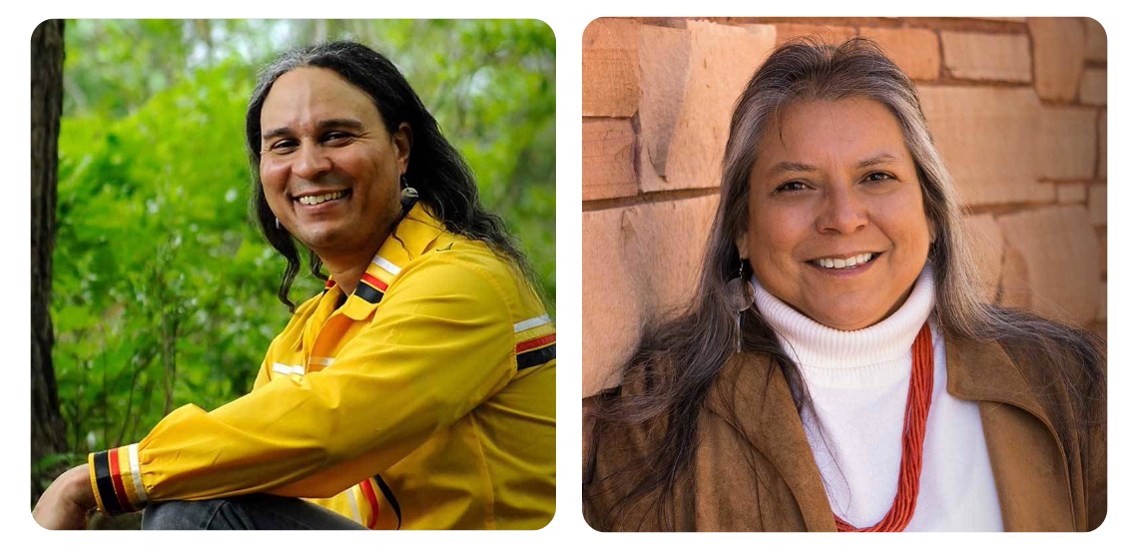
Larry Spotted Crow Mann: Storytelling, Cultural Resilience, and Healing
Award-winning author, cultural educator, and citizen of the Hassanamisco Nipmuc Tribe Larry Spotted Crow Mann brings together traditional storytelling, music, and personal experience. His presentations connect Indigenous history and cultural preservation with contemporary conversations about identity, sobriety, and healing. For campus and healthcare audiences alike, Mann offers a perspective on how cultural knowledge and community connection can support resilience across generations.
Zonnie Gorman: Navajo History, Language, and Service
Historian Zonnie Gorman preserves the legacy of the Navajo Code Talkers through archival research and a deeply personal family connection. Her father, Carl Gorman, was one of the original 29 Code Talkers who developed the initial Navajo code during World War II. Her presentations explore their ingenuity and service while examining the cultural upbringing, language, and historical circumstances that shaped their lives.
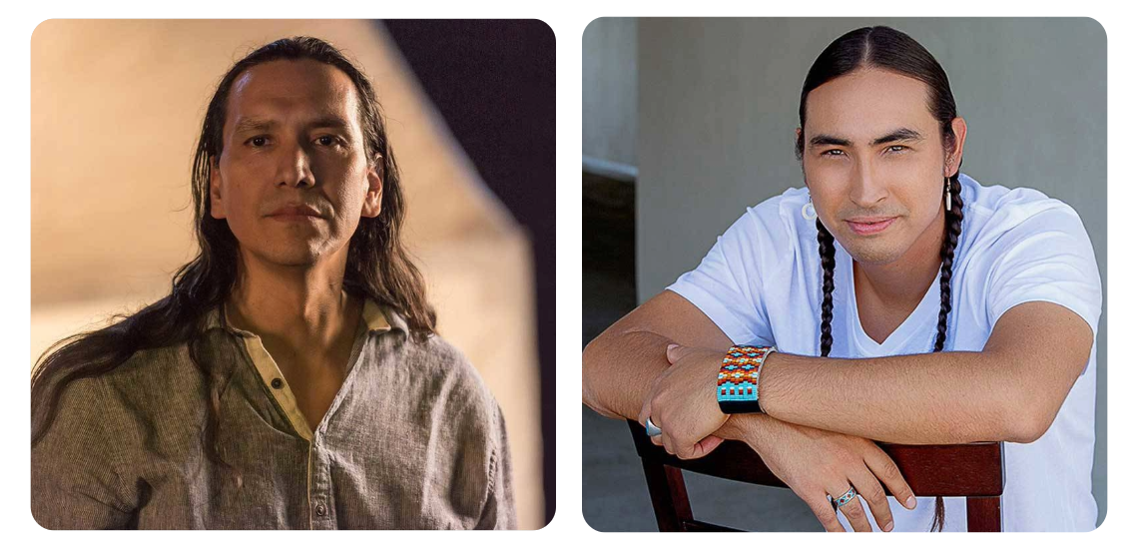
Michael Greyeyes: Indigenous Representation and the Arts
Acclaimed actor, director, choreographer, and educator Michael Greyeyes is a proud Nehiyawe (Plains Cree) from Muskeg Lake Cree Nation. Drawing on his career in dance, theatre, film, and television, he shares perspectives on Indigenous identity, creativity, and representation. His experiences invite audiences to consider how the arts can challenge assumptions and create opportunities for more complex, authentic Indigenous stories.
Tatanka Means: Humor, Identity, and Connection
Award-winning actor and comedian Tatanka Means blends personal storytelling with humor to explore cultural pride, resilience, and finding one’s voice. Representing the Navajo, Oglala Lakota, Yankton Dakota, and Omaha Nations, he encourages audiences to appreciate Indigenous perspectives while sharing his commitment to healthy living and sobriety. His presentations offer an engaging way to connect conversations about representation and identity with hope, purpose, and community.
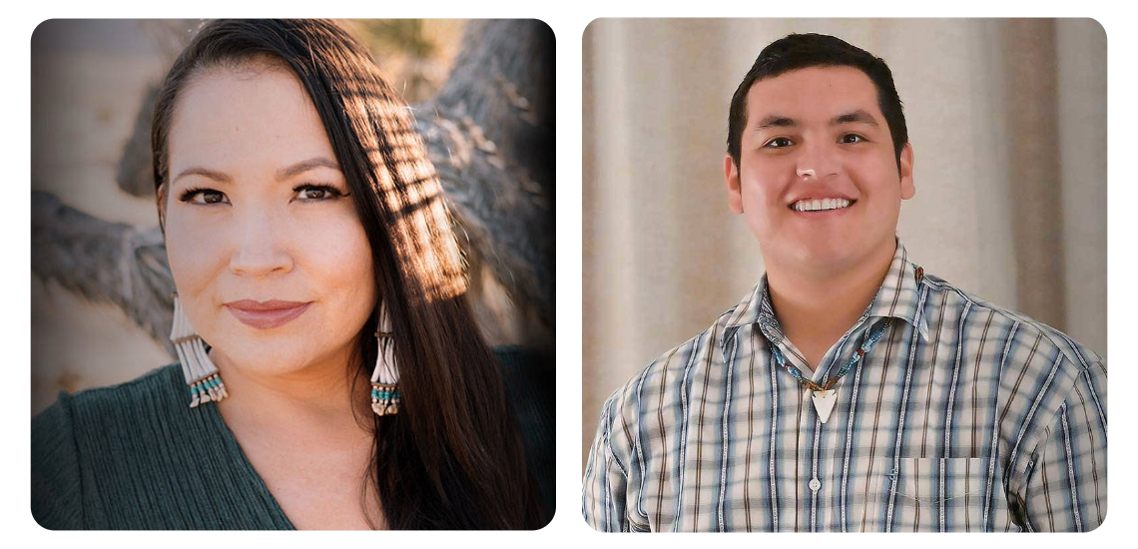
Sarah Eagle Heart: Indigenous Leadership and Community Impact
Emmy Award-winning storyteller and entrepreneur Sarah Eagle Heart draws on her experiences as an Oglala Lakota woman raised on the Pine Ridge Indian Reservation. Her work across cultural education, advocacy, and storytelling connects leadership with healing and community impact. She helps audiences consider the importance of Indigenous narratives, collaboration, and partnerships grounded in mutual respect.
Dr. Victor Lopez-Carmen: Indigenous Health, Access, and Culturally Informed Care
Physician and Indigenous health advocate Dr. Victor Lopez-Carmen is an enrolled member of the Crow Creek Sioux Tribe and also from the Yaqui Nation. Combining medical expertise with lived experience, he addresses barriers to healthcare access, representation in medicine, and culturally informed care. His perspective connects health and education, offering insight for healthcare professionals and students interested in leadership, advocacy, and service.

Dr. Rupa Marya: Medicine, Climate, and Community Healing
Physician, author, and founder of Deep Medicine Circle Dr. Rupa Marya examines the relationships among health, food, land, and social systems. Through her work with Indigenous-led initiatives, she explores approaches to healing that connect medicine with community and environmental well-being. Her presentations invite healthcare and campus audiences to consider how historical conditions and relationships with the natural world shape health today.
Creating Meaningful Native American Heritage Month Programs
A thoughtful Native American Heritage Month program can celebrate cultural contributions while making room for deeper learning. Colleges and universities might connect a speaker’s visit with courses, student programming, or discussions about history and representation. Healthcare organizations can explore how cultural understanding, community relationships, and Indigenous perspectives inform the way care is delivered.
Each speaker brings a particular perspective rather than representing every Indigenous community. Choosing a program around your audience’s interests and learning goals can help create a focused conversation that continues beyond November.