
Top 10 Native American Keynote Speakers & Indigenous Keynote Speakers for Colleges and Universities
13 Jul 2026

Indigenous Peoples Day each October, Native American Heritage Month each November, and other times throughout the year provide colleges and universities with meaningful opportunities to elevate Native voices and engage campus communities in conversations about history, leadership, culture, identity, and the future.
The Native American keynote speakers and Indigenous keynote speakers featured here represent an extraordinary range of experiences and expertise. From award-winning actors, Olympic champions, physicians, historians, climate leaders, artists, and tribal leaders to storytellers and cultural educators, they bring perspectives that inspire meaningful dialogue long after the event concludes. Whether your campus is planning an Indigenous Peoples Day program, Native American Heritage Month event, leadership lecture, or campus-wide conversation, these speakers offer unforgettable experiences for students, faculty, staff, and surrounding communities.
Who are the top Native American Keynote Speakers and Indigenous Keynote Speakers?
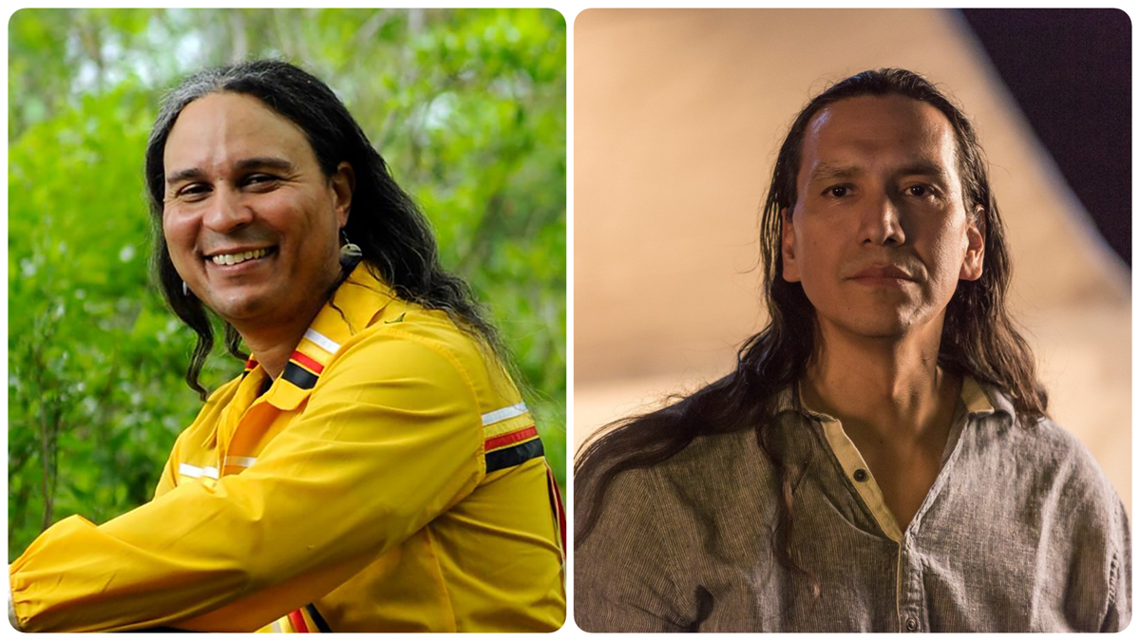
Larry Spotted Crow Mann: Indigenous Storytelling, Healing, Cultural Resilience & Recovery
Larry Spotted Crow Mann has dedicated more than three decades to educating audiences about Indigenous history, cultural resilience, healing, and the living presence of Native communities. A nationally acclaimed author, poet, tribal musician, traditional storyteller, and cultural educator, Mann became the first recipient of the Indigenous Peoples Award from the NAACP in Massachusetts in recognition of his lifelong commitment to social justice and cultural preservation.
Drawing on his own journey of overcoming addiction, Mann speaks candidly about sobriety, healing, spirituality, environmental stewardship, and Native identity. His presentations blend music, storytelling, poetry, and history into deeply moving experiences that resonate with college students, educators, libraries, and community organizations. As founder of the Ohketeau Cultural Center and the first Native American performer to sing the opening honor song at the Boston Marathon, Larry continues to inspire audiences while building greater understanding of Indigenous communities.
Michael Greyeyes: Indigenous Arts, Performance, Leadership & Representation
Award-winning actor, choreographer, director, educator, and artistic leader Michael Greyeyes has spent his career breaking barriers across dance, theatre, film, and television. A proud member of Muskeg Lake Cree Nation, Greyeyes became the first Indigenous student to graduate from Canada's National Ballet School before dancing professionally with The National Ballet of Canada, later establishing an acclaimed career as an actor and creative visionary.
Known for acclaimed performances in Woman Walks Ahead, Fear the Walking Dead, The New World, and numerous stage productions, Greyeyes also directed the first Cree-language opera and became the first Indigenous professor in York University's Department of Theatre. His keynote presentations explore Indigenous representation, creativity, leadership, performance, and the transformative role of the arts in education and society, making him an exceptional choice for performing arts programs, Indigenous studies, leadership initiatives, and campus-wide lectures.
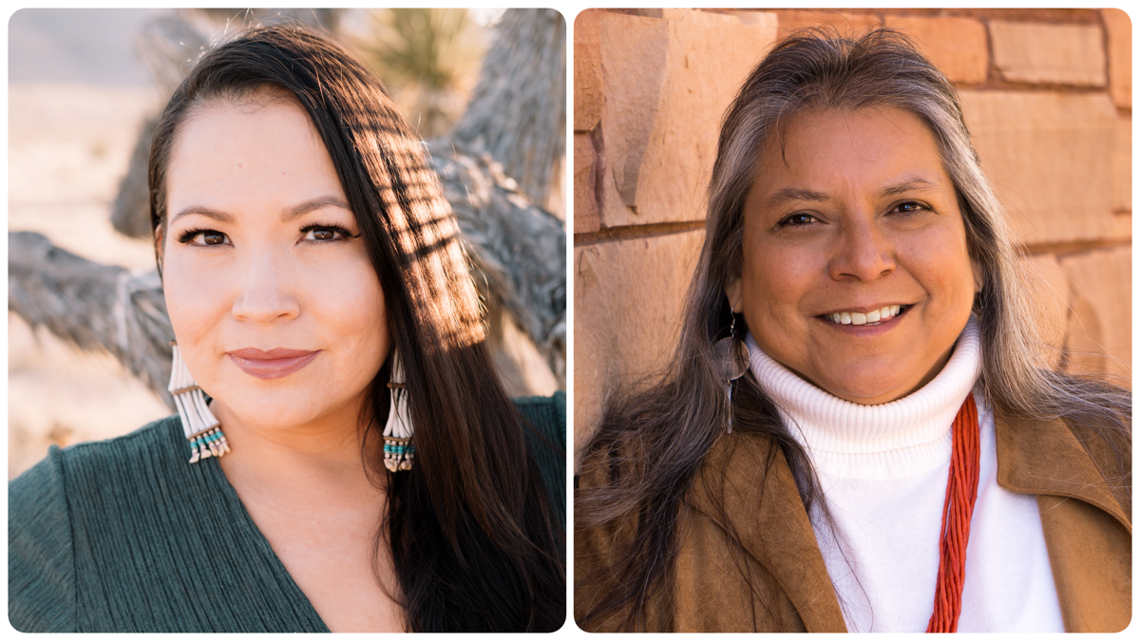
Sarah Eagle Heart: Indigenous Leadership, Advocacy, Philanthropy & Storytelling
Emmy Award-winning storyteller, entrepreneur, and advocate Sarah Eagle Heart has built an extraordinary career advancing Indigenous leadership through philanthropy, entertainment, education, and public advocacy. Raised on the Pine Ridge Indian Reservation, the Oglala Lakota leader has collaborated with organizations and public figures including Anne Hathaway, John Legend, Mark Ruffalo, the Obama Administration, and the Women's March to amplify Indigenous voices and inspire cultural understanding.
As the former CEO of Native Americans in Philanthropy, co-founder of Zuyá Entertainment, and executive producer of the Emmy Award-winning Crow: The Legend, Eagle Heart speaks passionately about Indigenous history, cross-cultural collaboration, leadership, healing, entrepreneurship, and creating opportunities for future generations. Her unique combination of executive leadership, creative storytelling, and advocacy makes her an outstanding keynote speaker for colleges and universities seeking conversations around leadership, philanthropy, representation, and Native American history.
Zonnie Gorman: Navajo Code Talkers, Native American History & Indigenous Legacy
Few individuals have done more to preserve the legacy of the Navajo Code Talkers than historian Zonnie Gorman. The daughter of Dr. Carl Gorman, one of the original twenty-nine Navajo Code Talkers who helped develop the unbreakable Navajo Code during World War II, Gorman has dedicated her career to ensuring one of the most remarkable stories in American history continues to educate and inspire future generations.
A respected historian, author, consultant, and speaker, Gorman has lectured extensively at colleges, universities, museums, conferences, and Native communities throughout the United States and Canada. She has also served as a consultant for numerous documentaries, exhibitions, and publications, including projects with PBS and The History Channel. For campuses seeking meaningful conversations about Native American history, military service, leadership, and cultural preservation, Zonnie Gorman offers an unparalleled perspective grounded in scholarship and lived legacy.
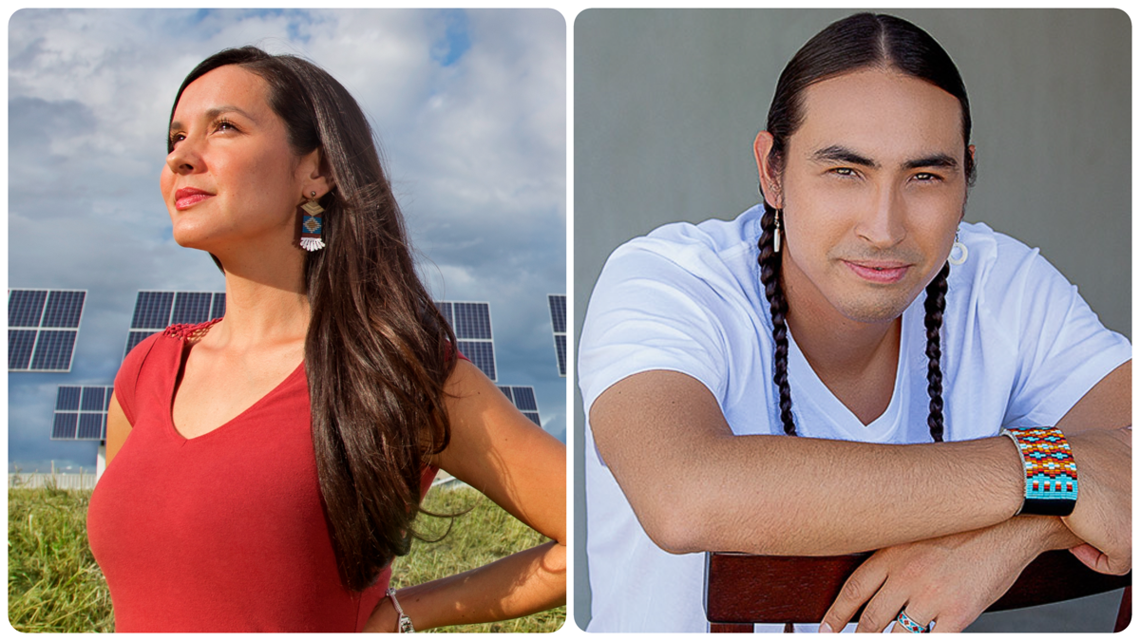
Melina Laboucan-Massimo: Climate Leadership, Indigenous Knowledge & Environmental Justice
As conversations around climate change continue to shape higher education, Melina Laboucan-Massimo has emerged as one of the leading Indigenous voices advancing environmental justice and sustainable solutions. A Lubicon Cree leader from Little Buffalo, Alberta, she has spent more than two decades working at the intersection of climate justice, renewable energy, Indigenous rights, and community-led environmental action.
Melina is the founder of Sacred Earth, co-founder of Indigenous Climate Action, and former Indigenous Research Fellow at the David Suzuki Foundation. She has spoken before audiences ranging from the U.S. Congress and the British Parliament to Harvard University and National Geographic while producing films, television, and research that explore renewable energy, Indigenous Knowledge, and climate resilience. Her presentations help college audiences understand how Indigenous communities are leading some of today's most innovative conversations around sustainability, environmental stewardship, and climate solutions.
Tatanka Means: Native American Representation, Comedy, Film & Resilience
Award-winning actor and stand-up comedian Tatanka Means has become one of today's most recognizable Native American entertainers, combining powerful storytelling with humor, cultural pride, and authentic conversations about identity and resilience. Representing the Navajo, Oglala Lakota, Yankton Dakota, and Omaha Nations, Means has built an impressive career across film, television, and live performance while continuing his family's legacy of advocacy and public service.
His recent work includes Martin Scorsese's Killers of the Flower Moon, Kevin Costner's Horizon, Marvel's Echo, Netflix's Ransom Canyon, Reservation Dogs, and the Yellowstone spinoff Marshals. Away from the screen, Tatanka tours throughout North America performing stand-up comedy and keynote presentations that celebrate Indigenous culture while encouraging audiences to embrace resilience, healthy living, and community. His unique ability to combine laughter with meaningful conversations makes him an exceptional speaker for colleges, universities, tribal organizations, and community events seeking authentic perspectives on Native American culture and representation.
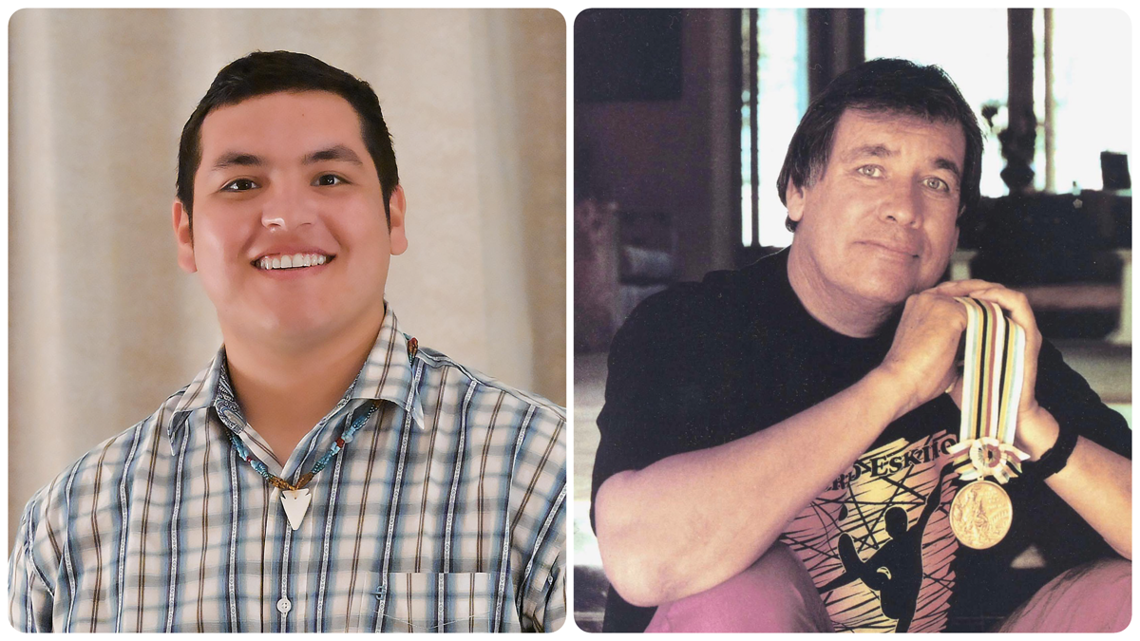
Victor A. Lopez-Carmen: Indigenous Health, Medicine & Healthcare Equity
Dr. Victor A. Lopez-Carmen is redefining what Indigenous leadership looks like in medicine. An enrolled member of the Crow Creek Sioux Tribe and also from the Yaqui Nation, he made history in 2024 as the first enrolled member of the Crow Creek Sioux Tribe to graduate from an Ivy League university and the first male citizen of the Tribe to become a physician. His remarkable journey from growing up in poverty to becoming an internationally recognized advocate for Indigenous health has made him one of the most influential young voices in healthcare today.
A graduate of Harvard Medical School and current pediatric resident at Seattle Children's Hospital, Lopez-Carmen has led global initiatives to improve Indigenous health, served in leadership roles within the United Nations, advised public officials on health equity, and earned recognition from Forbes 30 Under 30, TED, and numerous international organizations. His keynote presentations explore healthcare equity, Indigenous rights, public health, representation, and the power of turning personal adversity into meaningful change, making him an outstanding speaker for medical schools, public health programs, and colleges nationwide.
Billy Mills: Olympic Leadership, Resilience & Native American Inspiration
Billy Mills remains one of the most celebrated Native American athletes in history. A member of the Oglala Lakota Tribal Nation, Mills shocked the world by winning the gold medal in the 10,000-meter race at the 1964 Tokyo Olympics, becoming the only athlete from the Western Hemisphere ever to capture Olympic gold in the event. More than sixty years later, his victory continues to be recognized as one of the greatest moments in Olympic history.
Yet Billy's legacy extends far beyond athletics. Orphaned as a child, he transformed personal tragedy into a life devoted to service, resilience, and hope. As co-founder and National Spokesperson for Running Strong for American Indian Youth, Mills has spent decades empowering Native communities through education, health initiatives, and youth development. His presentations inspire audiences with timeless lessons on perseverance, leadership, purpose, and the enduring strength of Indigenous communities.
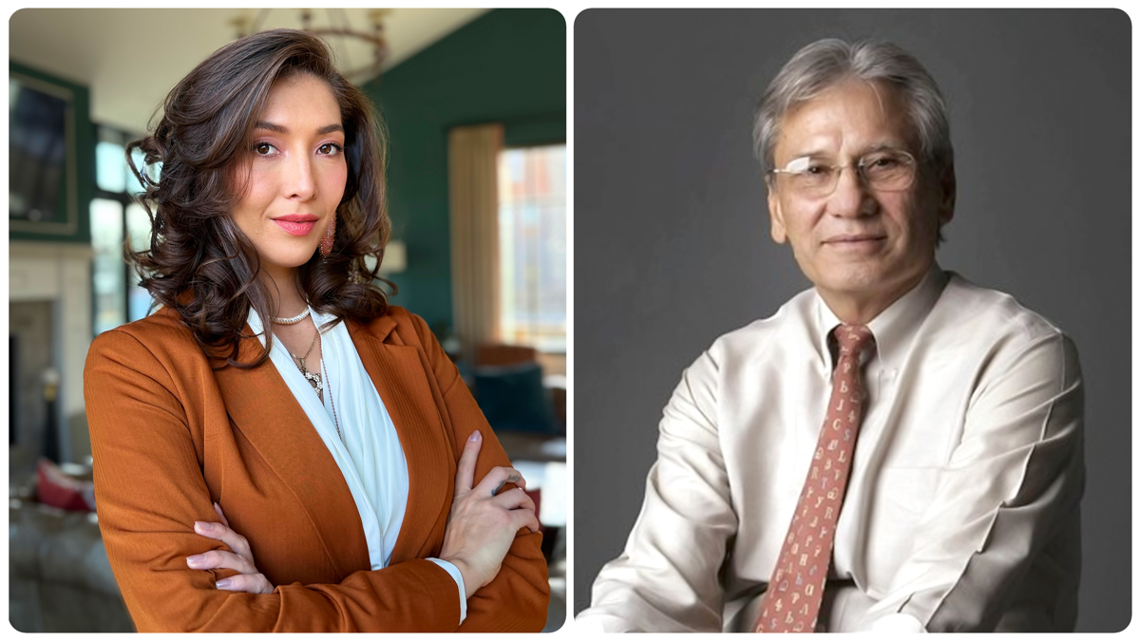
Lani Anpo: Gen Z Indigenous Leadership, Identity & Cultural Advocacy
Lani Anpo represents a new generation of Indigenous leadership. A proud Sahnish, Hidatsa, Lakota, and Ashkenazi Jewish advocate, she has become an influential voice championing Indigenous sovereignty, cultural preservation, self-determination, and cross-cultural understanding while bringing a unique perspective shaped by her multi-tribal and Jewish identity.
Known for her thoughtful approach to difficult conversations, Lani's work explores healing from intergenerational trauma, preserving Indigenous culture, and creating meaningful dialogue across communities. Her presentations resonate with students and educators seeking fresh perspectives on identity, advocacy, belonging, and the future of Indigenous leadership, making her an exceptional speaker for colleges looking to engage the next generation in conversations around culture, justice, and community.
Chad "Corntassel" Smith: Tribal Leadership, Economic Development & Nation Building
Few Native American leaders have transformed tribal governance and economic development as dramatically as Chad "Corntassel" Smith. During his twelve years as Principal Chief of the Cherokee Nation, Smith helped grow the Nation's assets from $150 million to more than $1.2 billion while dramatically expanding healthcare, education, business development, job creation, language revitalization, and cultural preservation. His leadership has become a nationally recognized model for tribal nation-building and economic self-sufficiency.
An accomplished attorney, author, educator, and leadership expert, Smith shares practical lessons drawn from decades of executive leadership through his acclaimed "Point A to Point B" leadership model and his book Leadership Lessons from the Cherokee Nation. His presentations demonstrate how principle-based leadership can strengthen governments, businesses, nonprofits, and communities alike, making him a compelling keynote speaker for colleges and universities focused on leadership, public policy, Native American studies, business, and organizational development.
Why Native American Keynote Speakers & Indigenous Keynote Speakers Matter on Campus
Indigenous Peoples Day and Native American Heritage Month offer colleges and universities an opportunity to elevate Native voices while creating meaningful conversations about history, leadership, identity, culture, sustainability, healthcare, economic development, and social change. The speakers featured here represent the extraordinary breadth of Indigenous leadership today, bringing perspectives that challenge assumptions, inspire new ideas, and help campus communities better understand both the history and the future of Native American communities.
Whether your institution is planning a keynote, lecture series, leadership program, performing arts event, or campus-wide celebration, these Native American and Indigenous speakers offer unforgettable experiences that educate, inspire, and leave lasting impact well beyond a single event.
+ View More Native American Keynote Speakers
Drew Sullivan is a leader in the speaking industry, talent advisor, and strategist with nearly 15 years of experience helping speakers, colleges, universities, and organizations create meaningful connections through ideas. As Senior Vice President at APB Speakers, he works with authors, academics, journalists, entertainers, athletes, and thought leaders to grow their platforms and navigate an ever-evolving industry. Having spent nearly his entire career serving higher education, Drew is passionate about the power of campuses to spark curiosity, challenge assumptions, and change lives. His perspective is shaped not only by his professional experience but also by a personal journey of recovery that continues to influence his approach to leadership, relationships, and service.